 Skip to content
Why Multi-Site Operations Are Standardising on the HELI G2 Lithium Platform
When you’re evaluating a 10–100 truck forklift transition across multiple sites, you’re not buying hardware — you’re committing to an operational platform that must deliver consistency, cost control, and resilience across your entire network.
For businesses moving from diesel or LPG to lithium in 2026, the HELI G2 lithium forklift stands out not because it’s “cheap” — it isn’t — but because it delivers premium capability at a middle-to-top-of-market procurement cost, in line with Toyota, Jungheinrich, Still, and Hyster.
And critically: unlike many lithium-first designs, the G2 is built on HELI’s proven IC chassis, giving it yard-style tyres, robust undercarriage protection, and genuine indoor/outdoor versatility. That’s a major differentiator for multi-site fleets with mixed environments.
Below is a refreshed, fact-accurate breakdown.
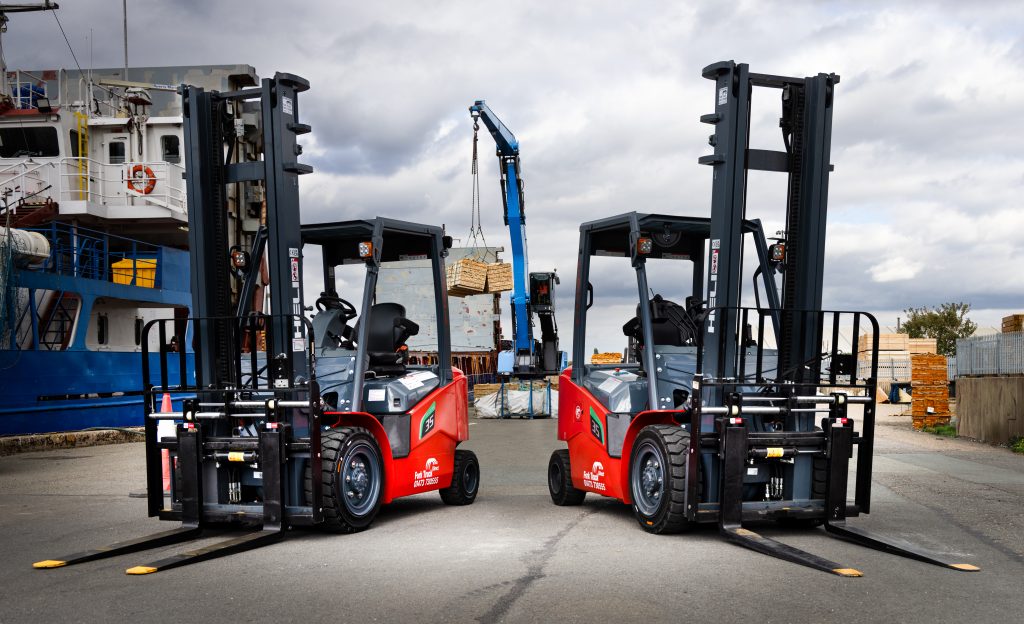
1. Cost Advantage: Not About Price — About Total Cost Governance
If you’re evaluating 10–100 units, your CFO won’t care about headline price tags. They’ll care about fleet-wide cost structure over the next 5–7 years.
The HELI G2 lithium platform delivers cost leverage through:
• Lower energy and fuel overhead
Electricity beats diesel/LPG volatility. Multi-site networks gain predictable cost control, reduced admin, and standardised reporting across all depots.
• Reduced maintenance burden
Fewer moving parts than diesel or LPG.
No engines, radiators, exhaust systems, DPF, or AdBlue.
Across a 50–100 truck network, that’s a structural reduction in service hours and unplanned downtime.
• Longer operational life and stronger redeployability
Because the G2 is built on a diesel-derived chassis, the frame, running gear, and tyre options are designed for harsher mixed environments.
You can redeploy trucks between sites without worrying about fragility or application mismatch.
• People cost efficiency
Simplified daily checks, no refuelling downtime, and clean, consistent controls deliver higher productivity per operator — multiplied across every site, every shift, every year.
The G2 may be mid-top of the market on procurement, but its operating economics outperform many premium IC fleets.
2. Built on a Diesel Chassis: The Indoor/Outdoor Multi-Site Advantage
This is one of the most strategic reasons multi-site businesses choose the HELI G2.
Unlike many “clean-sheet” lithium trucks designed only for indoor distribution, the HELI G2 is based on HELI’s industrial IC chassis. That unlocks:
• Yard-style pneumatic tyres
Better performance on yards, rougher surfaces, and cross-dock areas.
Less wheel spin, fewer traction issues, and true outdoor capability.
• Tougher undercarriage and frame
Diesel chassis = structural rigidity and longevity under heavier real-world applications.
• More flexible deployment
One truck platform can cover mixed-use work across your entire network — removing the need for separate “indoor trucks” and “yard trucks”.
For multi-site operations, this removes unnecessary fleet fragmentation and improves redeployment agility.
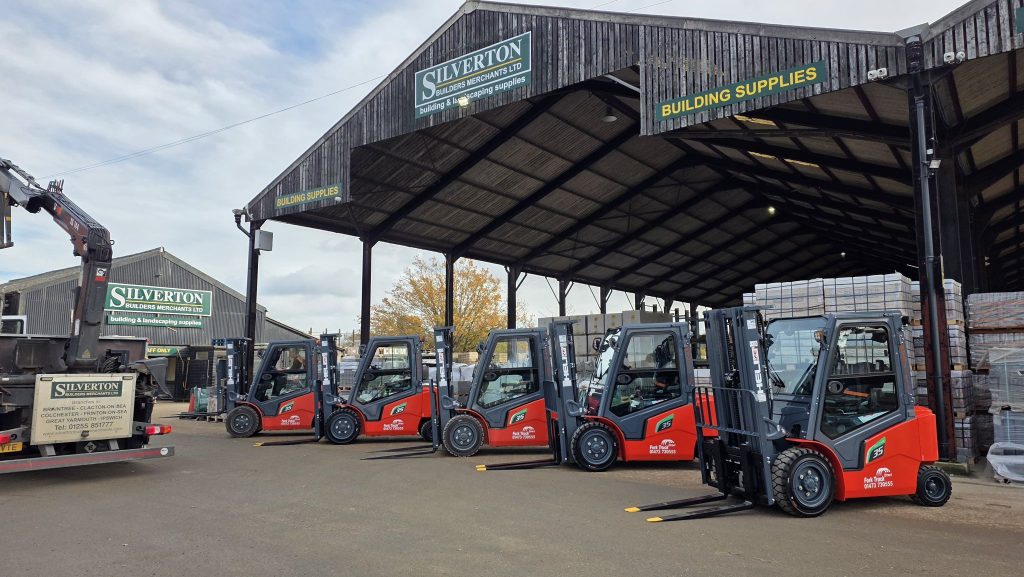
3. Modularity at Scale: One Platform, Multiple Applications
The HELI G2 platform allows you to keep 80–90% of your fleet standardised, while customising the remaining 10–20% by site or application.
Standardised across:
- Controls
- Chassis
- Core parts
- Maintenance schedules
- Operating behaviour
Customisable via:
- Mast heights
- Cab setups
- Attachments
- Tyre options
- Site-specific add-ons
This platform consistency drives down cost and risk when you’re rolling out tens of trucks across multiple locations.
4. Dual Charging Capability: Real-World Flexibility for Multi-Site Ops
The G2 supports dual charging capability where specified, providing site-level adaptability:
• Not all depots have equal electrical infrastructure
Dual charging gives you the freedom to tailor charging strategy site by site, without locking your entire fleet into one rigid approach.
• Built-in resilience
If a charger goes down or power availability changes, trucks can utilise alternative charging options — a key uptime safeguard on a large fleet.
• Smarter shift utilisation
Opportunity charging + dual charging = tighter alignment to real operational patterns across mixed environments.
Multi-site ops need flexibility, not rigid system constraints. The G2 delivers exactly that.
5. Parts Commonality: The Hidden Cost Control Lever for 2026 Fleets
The G2 platform is designed for maximum commonality:
• Fewer unique components across fleet variants
This means simpler spare parts management and fewer SKUs to hold.
• Faster technician familiarity
Common failure modes and common diagnostic patterns accelerate MTTR.
• Cleaner supplier negotiations
Fewer part numbers → stronger pricing leverage at scale.
For large procurements, this reduces the long-term service burden and simplifies the operational model.
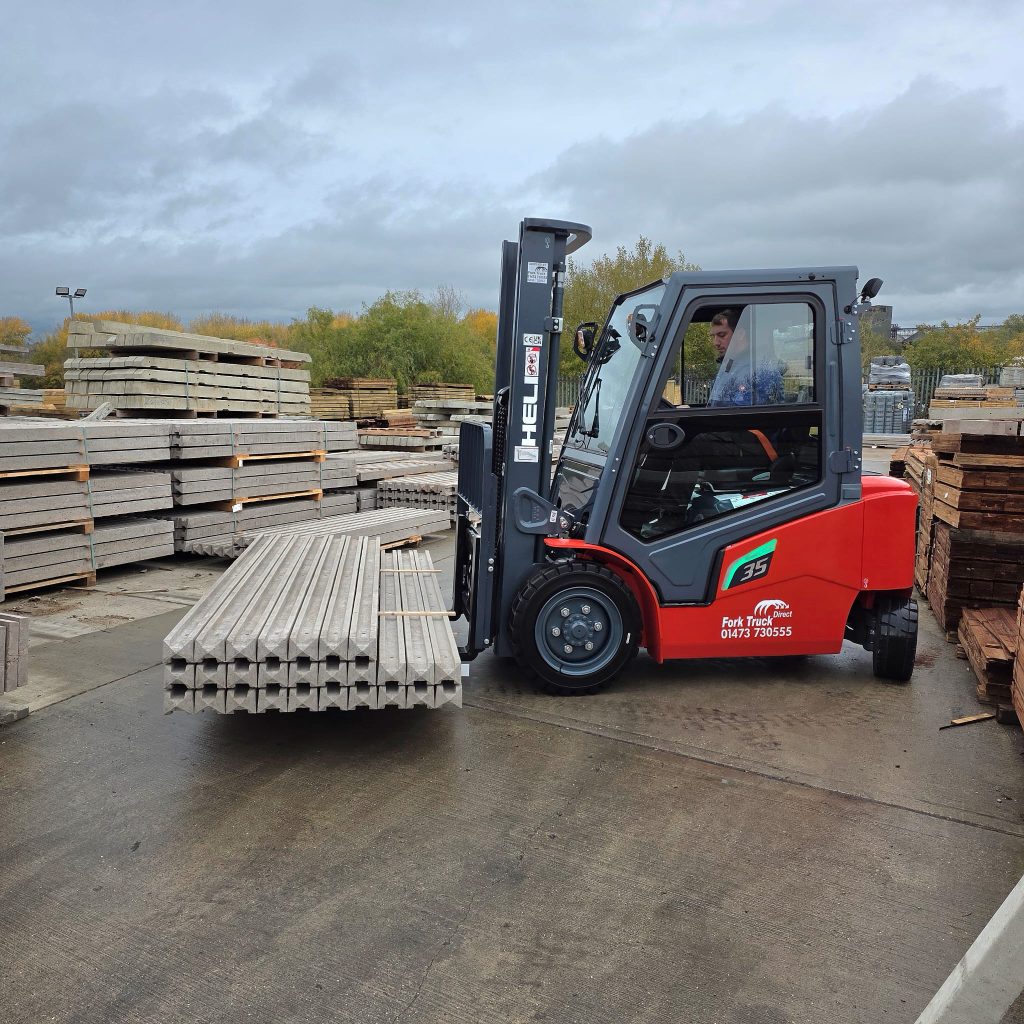
6. Parts Accessibility: Availability That Keeps Sites Running
The G2’s global presence ensures:
- Strong parts pipeline
- Predictable lead times
- Real-world availability on the top 80% of common components
For network operations, that means:
- Higher uptime
- Lower risk of VOR events
- Confidence in service planning
You’re buying not just a forklift — you’re buying the ability to keep your business moving.
7. Operator Standardisation Across Your Entire Network
One platform = one operator experience.
- Same controls across all sites
- Minimal retraining
- Faster onboarding of temp or seasonal labour
- Lower incident rate due to familiar handling
This is a major asset for multi-site enterprises that frequently redeploy staff or operate seasonal capacity models.
8. Why the HELI G2 Should Be on the Shortlist for 2026 Fleet Transitions
If you’re planning to migrate away from diesel/LPG in 2026, the strategic factors are already defined:
- ESG and regulatory pressure
- Maintenance cost escalation on aging IC fleets
- Need to standardise equipment across multiple depots
- Desire to reduce operational silos and risk
- Requirements for indoor/outdoor flexibility
The HELI G2 lithium platform aligns tightly with these imperatives:
- Diesel-based chassis for true mixed-environment usage
- Premium-spec build at a mid-to-top-tier procurement cost
- Lower lifetime operating cost compared to diesel/LPG
- High parts commonality and strong availability
- Charging flexibility for multi-site infrastructure
- Scalable modularity for 10–100 truck deployments
You’re not just electrifying.
You’re standardising your operational backbone.
9. Next Step: Build a Site-by-Site Business Case
For serious 2026 planning, multi-site operations should quantify:
- Energy vs fuel cost modelling
- Infrastructure pathway and charging design
- Maintenance cost comparison vs current IC fleet
- Fleet-rightsizing opportunities (often 10–20% reduction)
- Operator productivity uplift
- Cross-site redeployment scenarios
- TCO per truck and per site over 5–7 years
This is where the HELI G2 distinguishes itself — a platform engineered to deliver cost governance, consistency, and operational resilience across a complex, multi-site network.