 Skip to content
The Synopsis
Across the UK, more fleet managers are replacing diesel forklifts with lithium-ion models. What was once a futuristic idea has quickly become a practical, cost-saving reality. In Essex and the wider South-East, companies are choosing HELI lithium forklifts not just to meet environmental targets but to boost productivity and reduce maintenance downtime.
In this article, we’ll explain why lithium forklifts are overtaking diesel, how the technology has matured, and why now is the time to make the change.
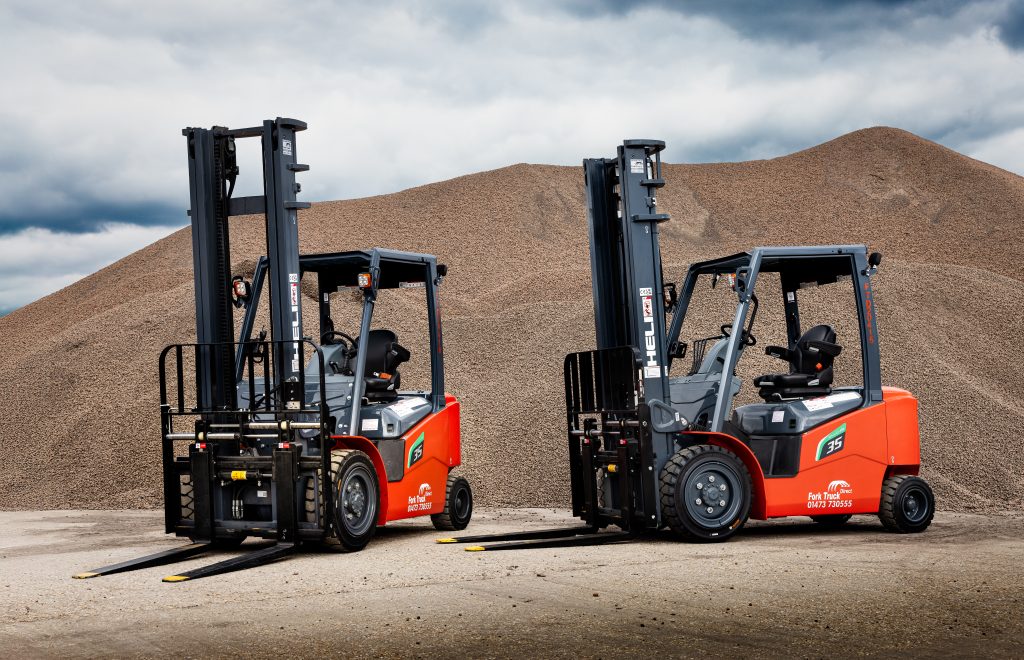
The Shift Away from Diesel Forklifts
The UK’s industrial sector is under pressure to cut emissions and align with net-zero goals. Diesel forklifts, while powerful, face rising costs in both fuel and maintenance. Add to that new Clean Air Zone charges and ESG reporting obligations, and it’s clear why operators are exploring electric alternatives.
Electric forklifts have been around for decades, but early versions suffered from long charging times and short run-times. Lithium technology has solved those issues — giving electric trucks the stamina once reserved for diesel.
How Lithium Technology Has Matured
Modern LiFePO₄ lithium-ion batteries used in the HELI G2 range represent a leap in safety and efficiency. Unlike traditional lead-acid batteries, lithium packs are completely sealed and maintenance-free — no topping up fluids or equalising charges.
They also deliver consistent power output, meaning no sluggish performance near the end of a shift. Combined with regenerative braking, operators experience smoother acceleration and longer runtime.
Fast Charging and Opportunity Charging
One of the biggest advantages of lithium forklifts is fast and opportunity charging. With HELI’s matched 200-amp three-phase charger, operators can restore 80% capacity in about 90 minutes. Short “top-up” sessions during breaks keep trucks in service all day, removing the need for battery swaps or refuelling downtime.
Total Cost of Ownership vs Diesel
While the purchase price of a lithium forklift is higher than a diesel, the total cost of ownership (TCO) is dramatically lower.
- Fuel savings: Electricity costs around 70–80% less per operating hour than diesel.
- Servicing: No oil, filters, belts, or engine maintenance.
- Downtime: Instant startup and fast charging increase productivity.
Most fleets achieve payback within three years, after which the cost advantage continues to widen.
Real-World Adoption in Essex & Suffolk
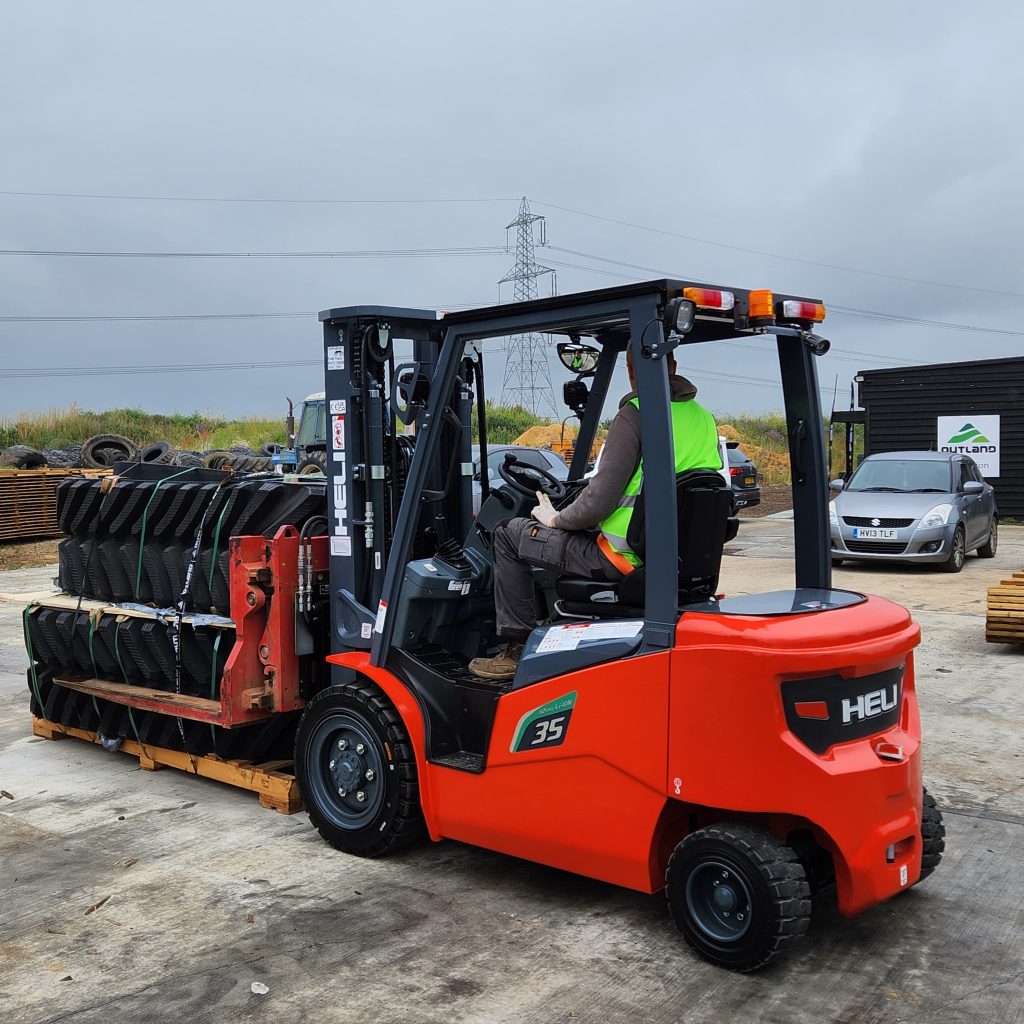
Many Essex-based warehouses, builders’ merchants, and logistics yards are already transitioning. A typical user replacing a 3.5-tonne diesel counterbalance with a HELI G2 lithium model cuts running costs by over £6,000 per year while meeting zero-emission goals.
Fork Truck Direct supplies the full HELI G-series lithium range across Essex, Suffolk, Kent and London, complete with service, parts and installation of fast chargers.
The Future: Zero-Emission Yards
As environmental reporting becomes mandatory, more businesses will switch to zero-emission handling equipment. The good news is that the technology is already proven — reliable, powerful, and cost-effective.
The future yard isn’t just quieter; it’s cleaner, more efficient, and easier to run. And lithium forklifts are leading that charge.
Ready to phase out diesel?
Talk to Fork Truck Direct about the HELI G2 lithium forklift range and on-site charging solutions.